Homemade Generator: Small Power You Build When the Aisle Is Empty
Build small backup power at home with simple parts: the step-by-step plan from the video.
Watch the full video walkthroughThe power goes out, the fridge goes quiet, and the furnace stops pushing air. You drive to the store for a generator and the aisle is empty, or the finished standby unit sits at $3,000, which is out of reach this month. A homemade generator is the other path: a small power source you build yourself from a written plan, on a workbench, with parts you can pick up locally.
Energy Revolution System is that plan. The guide says it is Tesla’s buried blueprint, brought back as a step-by-step build for a compact generator that makes power on demand. You get the illustrated blueprint, the walkthrough, and four bonus guides. The guide tells the story of a $200 device Tesla finished before his funding stopped, now written out so families can build it at home. You follow the pages. You wind the coil. You test what you built.
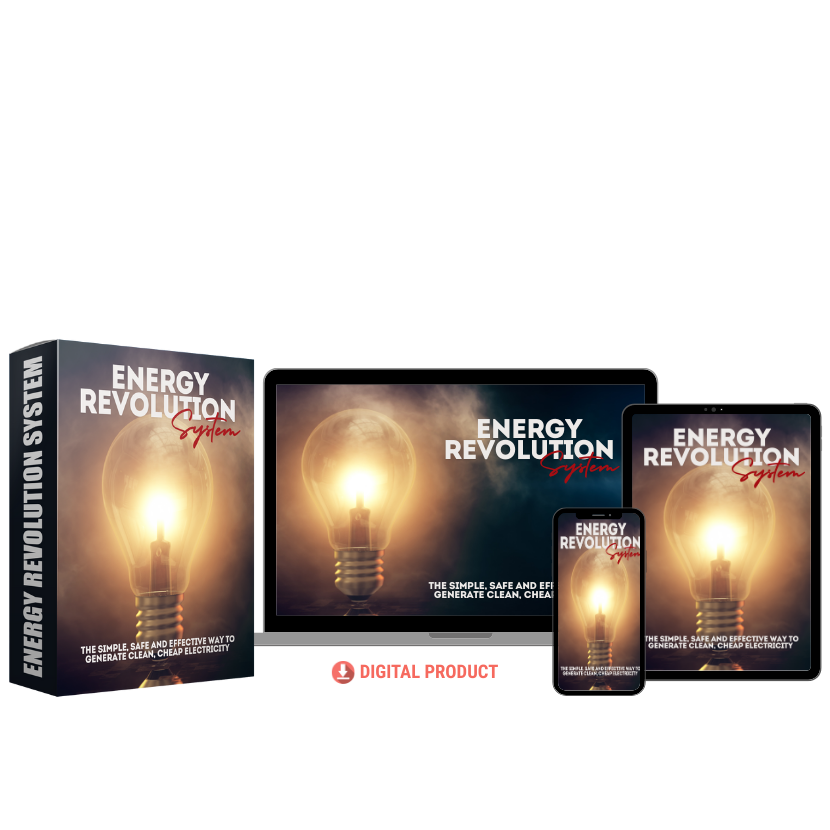
The blueprint. Tap to watch the video walkthrough.
What a homemade generator can keep running
That quiet fridge is the moment the plan is for. The guide says the build generates energy on demand, the kind of small output you aim at lights, a phone, and a battery you can top up, so the room stays usable while the street is dark. The guide goes further and talks about cutting power bills. Start small and let your own meter show the progress: first a voltage reading, then a lamp, then a charger.
A finished $3,000 unit is built for bigger loads, and it is the right tool when you already own it. This path is the one you can start while that unit is sold out. The guide says the coil stores and transfers more of what you put in, because a bifilar pancake — two wires wound together in a flat spiral — couples tighter than a loose coil. You still turn a rotor or feed a driver. The blueprint tells you the gauge, the turns, and the order.
What the build looks like on the bench
Picture a flat spiral of copper, like a cinnamon roll, on a round form of wood or acrylic. Two windings sit side by side. That is the bifilar pancake the guide is named around, the 1894 coil idea written so a beginner can copy the spacing and the terminations. Magnets or a rotor pass the spiral. Diodes turn what you make into something a battery can hold. A meter tells you the truth before you trust a load.
The afternoon the power drops, this is the callback. The furnace is still quiet. The difference is a coil you already wound, a flashlight that charges off the bench, and notes in the margin from the last test. The guide says the walkthrough covers every stage, so the first build is a sequence, page by page, rather than a guess from a forum photo. Neat turns matter. Messy copper wastes the winding and softens the output.
Why a written plan beats hunting a $3,000 unit
The empty aisle is a crowd problem. Everyone wants the same finished machine on the same night, and the price jumps with the weather. A plan sits on your phone before that night. The guide says you build from common hardware-store parts in a free afternoon, and that the knowledge stays after the outage ends. A bought unit needs fuel, oil, and a dry place outside. This one needs the winding you already did, and the parts list you already filled.
The guide says more than 100,000 families are already using the blueprint. Your own proof comes fast: the steps match the photos, the meter moves, the lamp comes on. That is the homemade generator working at the scale you built.
Parts you pick up locally
The download is the map. Copper magnet wire, magnets, a flat form, diodes, and a meter come from the hardware store or the supplier you already use. The guide says the parts list is matched to the output you want, so the gauge and the turn count are written down before you buy the spool. Tools you likely own do the rest: strippers, a soldering iron or a solid mechanical join, and patience for even spacing.
Buy the wire and the magnets on a calm week, while the shelves are full. Label the bag. When the fridge goes quiet again, the build is already on the bench, and the only trip left is the one you finished last Saturday.
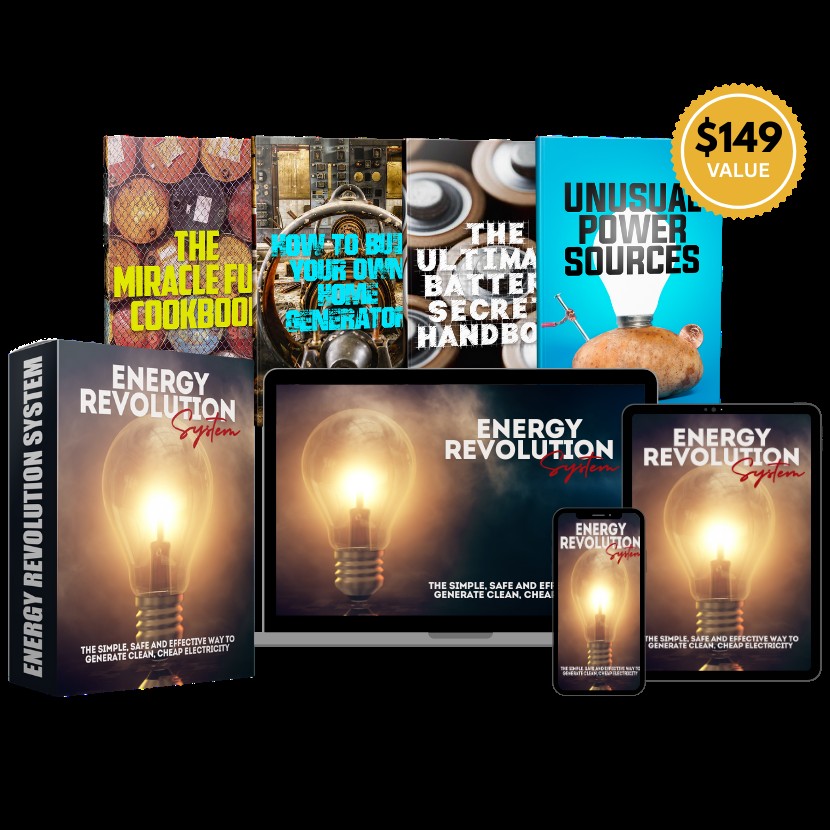
Blueprint and bonuses. Tap to watch the video walkthrough.
What you get
Energy Revolution System is the digital blueprint for that coil generator: illustrated steps, a materials list, a video walkthrough, and four bonus guides. It’s written by Michael Garnett. You read it, you build it, you measure it.
Three months from now the bench holds a finished spiral, a meter reading you wrote down, and a flashlight that charges at home. Tonight, clear a square of the bench and write the parts you already own.
The next time the fridge goes quiet, the plan is already in the drawer. That is the whole point of building it before the aisle empties.
See the Energy Revolution System video walkthrough
FAQ
What is a homemade generator in this guide?
The guide says it is a compact generator you build from Tesla’s bifilar pancake coil blueprint: two wires in a flat spiral, hardware-store parts, illustrated steps, and a video walkthrough.
What can the build power?
The guide says it generates energy on demand, and talks about cutting household power bills. On the bench, start with a lamp and a phone charger, and let the meter tell you the scale of the unit you wound.
What do you receive?
The blueprint, the materials list, the video walkthrough, and four bonus guides. You pick up the copper, magnets, and small parts locally.